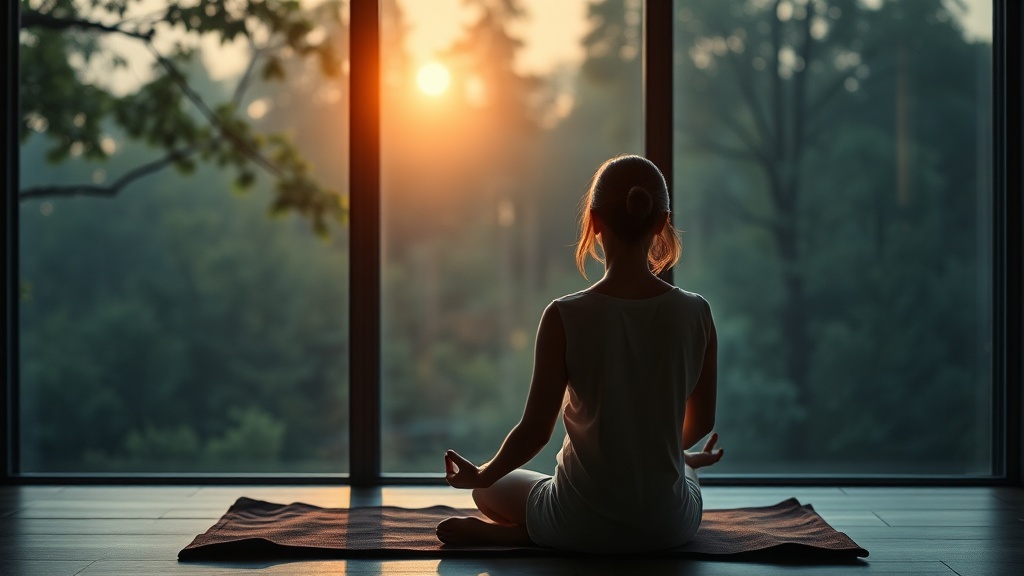
How to Start a Morning Meditation Practice That Actually Sticks

This guide covers the practical steps to building a morning meditation routine that lasts—no willpower battles, no guilt spirals when you miss a day. You'll learn how to set up your space, choose a technique that fits your personality, and handle the inevitable distractions that derail most beginners. By the end, you'll have a clear plan that works with real life, not against it.
Why Do Morning Meditation Routines Fail?
Most morning meditation attempts collapse within two weeks. The reason isn't laziness—it's unrealistic expectations paired with poorly designed systems.
People often start with twenty-minute sessions because some app suggested it. By day five, the mind rebels. The body resists. Hitting snooze becomes easier than facing another silent staring contest with your eyelids. Here's the thing: the brain forms habits through repetition, not duration. A two-minute practice done daily beats an hour-long session attempted once a month.
Another killer? The all-or-nothing mindset. Miss Monday, and suddenly "the week is ruined" so you quit until next month. Worth noting: even experienced meditators skip days. The difference—they don't turn a missed morning into an identity crisis about being "bad at meditation."
Environment matters too. Trying to meditate in bed (warm, cozy, horizontal) is like trying to stay awake during a lecture after lunch. Your brain associates that space with sleep. The catch? You don't need a dedicated zen room—a kitchen chair works better than that memory foam mattress.
What Is the Best Meditation Technique for Beginners?
Breath awareness meditation offers the simplest entry point for most beginners because it requires no apps, no special equipment, and can be done anywhere.
That said, "best" depends on how your mind works. Some people find focusing on the breath agonizing—like asking a squirrel to sit still. For analytical types, Headspace's guided beginner courses provide structure that prevents mental wandering. For fidgety types, moving meditations (walking slowly, focusing on foot sensations) can be more accessible than sitting still.
The technique matters less than consistency. A mediocre method practiced daily outperforms the "perfect" technique done sporadically. Here's a quick breakdown:
| Technique | Best For | Time Needed | Difficulty |
|---|---|---|---|
| Breath Awareness | Busy schedules, minimalists | 5–10 minutes | Moderate |
| Guided Meditation (apps) | Analytical minds, beginners needing structure | 10–20 minutes | Easy |
| Body Scan | Stressed bodies, sleep issues | 15–25 minutes | Easy |
| Walking Meditation | High energy, restlessness | 10–15 minutes | Moderate |
| Loving-Kindness (Metta) | Cynical moods, relationship stress | 10–15 minutes | Moderate |
Start with one. Stick with it for at least two weeks before switching. The mind will complain—"this isn't working," "try something else"—but that's just resistance wearing different costumes.
How Long Should You Meditate Each Morning?
Begin with five minutes or less—seriously. Research from Harvard Medical School suggests even short daily practice yields measurable stress reduction benefits.
The trap? Thinking more is better. Ten minutes sounds reasonable until Tuesday morning when the alarm blares and your brain negotiates: "Skip it today, do twenty tomorrow." Tomorrow never comes.
Start embarrassingly small. Two minutes of actual meditation beats zero minutes of intended meditation. Once two minutes feels automatic (usually after 2–3 weeks), add one minute. Repeat until you hit your sustainable limit—often 10–15 minutes for busy professionals, occasionally 20 for those with more flexibility.
Timing matters too. Immediately after waking works for some—the mind hasn't started its daily chatter yet. Others need coffee first (that's fine, but set a timer so "one cup" doesn't become "scroll Instagram for forty minutes"). The catch? Waiting too long lets the day's demands hijack your attention.
Sample Morning Meditation Timeline
- Week 1–2: 2 minutes, immediately upon sitting up
- Week 3–4: 5 minutes, same time daily
- Month 2: 7–8 minutes, adding one minute per week
- Month 3+: 10–15 minutes, or whatever feels sustainable
Where Should You Meditate in Your Home?
Choose a spot that's physically uncomfortable enough to keep you awake but pleasant enough that you don't dread being there.
A dining chair works perfectly—back support, neutral temperature, not associated with sleep. Avoid the bed (you'll nod off) and the couch (too tempting to "just check one email" before starting). Some people swear by the floor with a Manduka meditation cushion, but a folded blanket on carpet suffices.
Lighting matters more than most realize. Dim triggers melatonin—great for evening, disastrous for morning. Open curtains or turn on lights immediately. Cold air helps too. A slightly chilly room keeps the mind alert in ways a warm cocoon cannot.
Minimize visual clutter facing your meditation spot. Laundry piles, unpaid bills, yesterday's dishes—your brain will latch onto anything demanding attention. Face a blank wall, a plant, or out a window. The external environment shapes internal experience more than meditation apps admit.
How Do You Handle Distractions During Meditation?
You don't eliminate distractions—you change your relationship to them.
The mind will wander. That's not failure; that's the practice. Each time you notice wandering and return to the breath, you've completed one meditation "rep" (like a bicep curl for attention). A session with fifty distractions and fifty returns is more valuable than a "perfect" session with none.
External noises—traffic, family members, pets—require practical strategies first:
- Use earplugs (Howard Leight MAX-1 are inexpensive and effective) or noise-canceling headphones without playing anything
- Inform housemates about your 10-minute window—most people respect explicit requests better than mysterious closed doors
- Accept what remains—the garbage truck, the neighbor's dog, your own stomach gurgling
Internal distractions prove trickier. The to-do list that appears the moment you close your eyes. The awkward conversation from yesterday. The meeting later today. Here's the thing: trying to suppress thoughts gives them power. Instead, acknowledge them—"planning," "remembering," "worrying"—then gently return attention to the breath. No judgment. No scorekeeping.
Worth noting: some mornings will feel "bad." The mind races. The body aches. Everything annoys you. These sessions aren't wasted—they're teaching non-resistance. The goal isn't bliss; it's awareness.
What Apps and Tools Actually Help?
Technology can support or sabotage your practice—choose carefully.
For structured guidance, Headspace and Insight Timer dominate the market for good reason. Headspace offers polished beginner courses with clear progression. Insight Timer provides thousands of free guided meditations for those who want variety without subscription fees.
That said, apps can become crutches. If you can't meditate without someone's voice in your ear, you haven't developed the skill—you've outsourced it. Aim to practice without apps at least twice weekly. Use a simple timer (the default iPhone Timer app works; so does Insight Timer's bell-only mode) and sit in silence.
Physical tools matter less than marketing suggests. You don't need:
- Expensive cushions (unless floor-sitting causes pain)
- Mala beads (pretty, but unnecessary)
- Essential oil diffusers (nice atmosphere, zero impact on technique)
You might want:
- A decent chair or cushion that supports upright posture
- A timer that doesn't jar you awake with alarm-clock panic
- A notebook nearby for post-meditation thoughts (optional—sometimes insights surface worth capturing)
How Do You Make Morning Meditation Stick Long-Term?
Behavioral science offers clearer answers than spiritual traditions on this one.
Anchor your meditation to an existing habit—what psychologists call "habit stacking." After pouring coffee, before showering, immediately after brushing teeth. The existing habit becomes the trigger. No willpower required.
Track streaks, but loosely. A calendar where you mark successful mornings provides visual feedback. But missing a day shouldn't break the chain permanently—just note it and resume tomorrow. The "don't break the chain" method works until life inevitably interrupts it.
Accountability helps. Tell one person about your practice. Not social media (too performative), just a friend who might ask occasionally. External commitment increases follow-through.
Finally, redefine success. Morning meditation sticks when you stop measuring "good" sessions. Did you sit? Did you try? That's success. Some days feel peaceful. Others feel like wrestling a monkey. Both count. The only failed session is the one that didn't happen—and even then, there's always tomorrow morning.
Steps
- 1
Choose a consistent time and quiet space for your practice
- 2
Start with just 5 minutes of focused breathing
- 3
Gradually extend your sessions and track your progress